Clean Roots. Less Gas. Tighter Purge.
Purge Dams for Every Pipe, Tube and Weld Joint
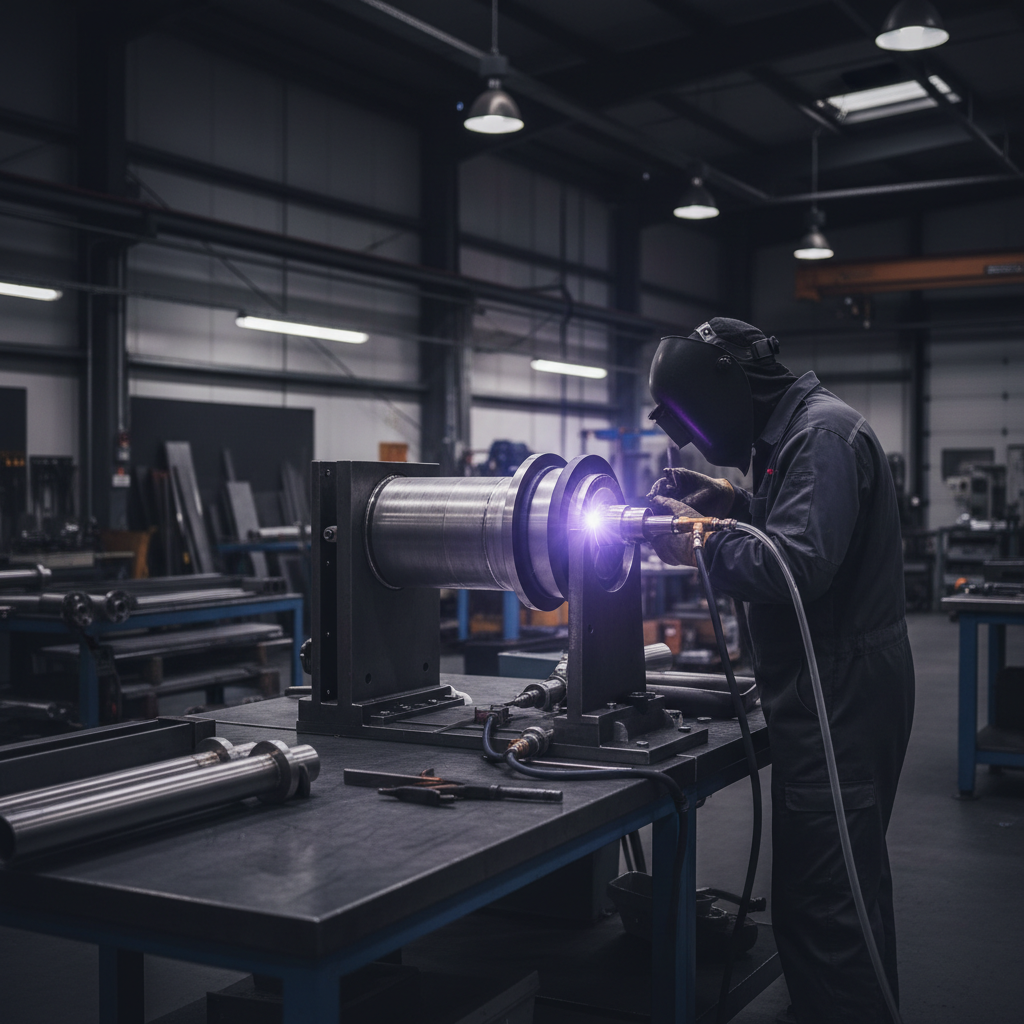
Heavy-duty purge dams for sanitary tubing fabricators, semiconductor gas line installers, power and process piping crews, and orbital welding shops. Block off the joint and purge only the volume that matters — cutting purge time and argon consumption without sacrificing a bright, oxide-free root.
Why back-purging matters
What a purge dam protects against
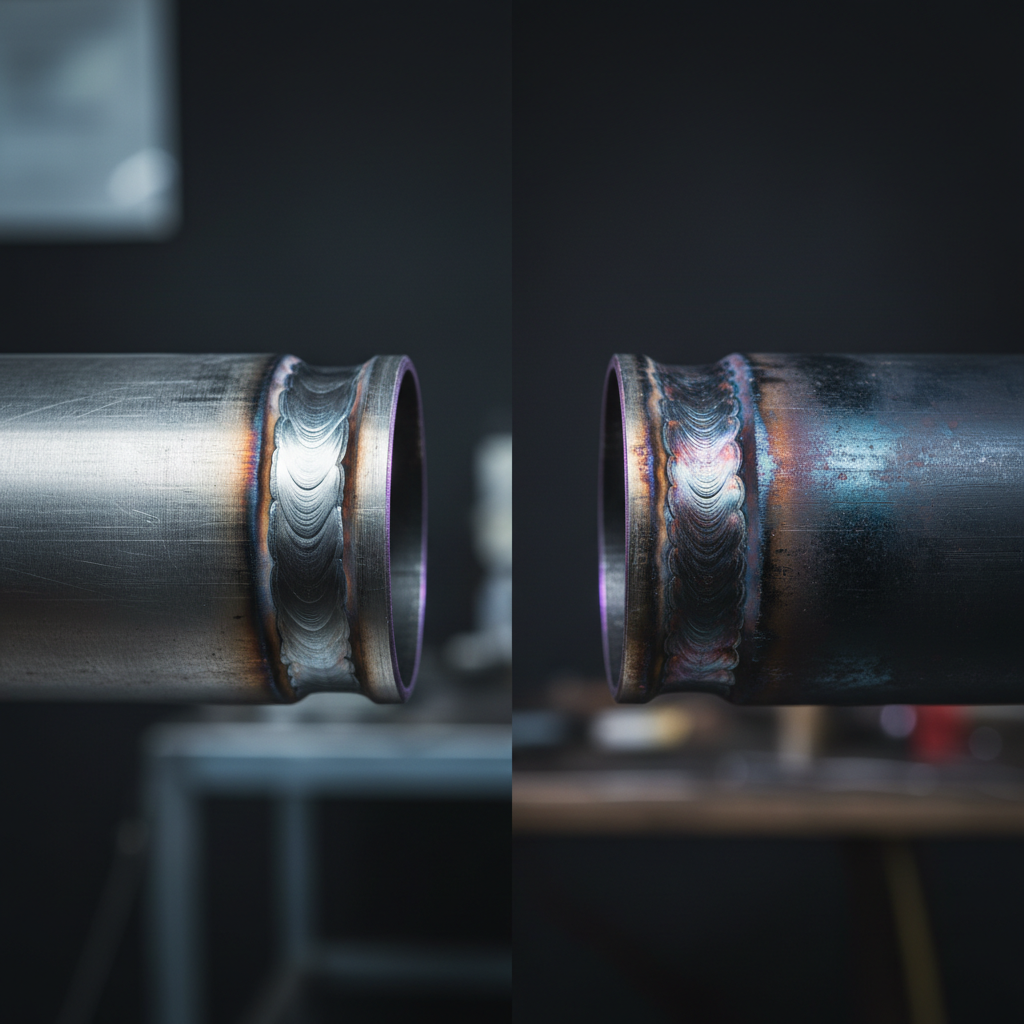
On stainless steel, duplex, titanium, and nickel alloys, the root side of a weld, the underside, inside the pipe, is just as exposed to oxygen as the face unless it is deliberately shielded. Left unprotected, the hot metal reacts with the oxygen in the air and oxidizes, producing the granular, discolored scale welders call “sugaring.”
Sugaring is more than cosmetic: the oxide layer and the chromium-depleted metal beneath it are measurably less corrosion-resistant than the parent alloy, the exact property the material was specified for. A purge dam seals off a small chamber around the joint so inert gas, argon or nitrogen, can displace that oxygen quickly, without having to flush the entire length of pipe.
Dam material
The barrier itself, water-soluble paper or film, an elastomer bladder, compressible foam, a rigid or expandable disc, or an adhesive-edged pad, chosen to seal against the pipe or tube ID and hold through the heat of the pass.
Purge-gas inlet
The port or tube that feeds argon or nitrogen into the sealed chamber around the joint. On a bladder dam this is separate from the inflation port, so the chamber can be flushed independently of the seal.
Vent / outlet path
A controlled way for displaced air, and excess purge gas, to leave the sealed chamber. Without a vent path, gas pressure builds instead of flushing, and a dam can bulge, shift, or blow out.
Retrieval or removal
How the dam comes back out once welding is done: dissolved and flushed away with water, deflated and withdrawn, or physically pulled or pushed clear, depending on the type and the access available.
Purge dam types
Water-soluble, inflatable, foam, mechanical, and adhesive
All five types seal off a purge chamber around the joint. They differ in how they seat against the pipe ID, whether they come back out or dissolve away, and how many times they can be reused.
Water-soluble paper and film dams
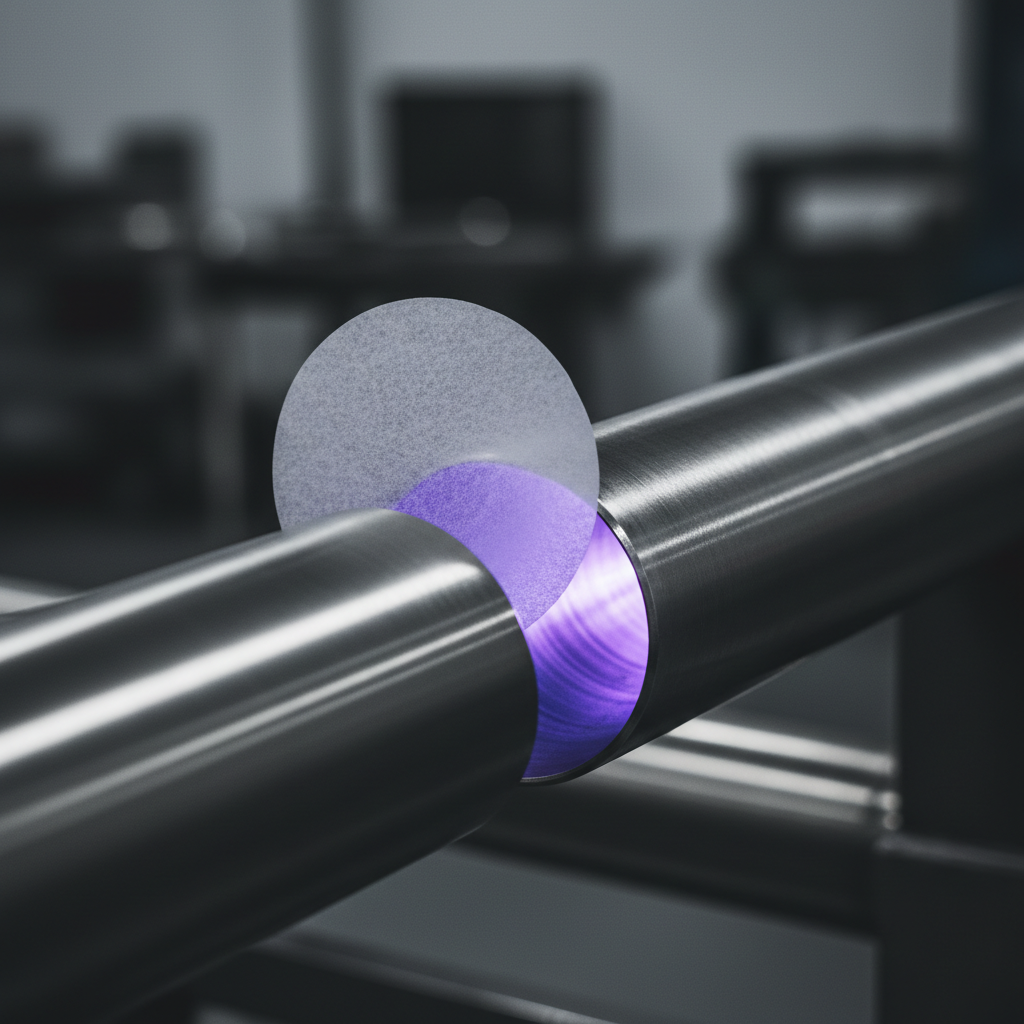
A disc of water-soluble paper or film is fitted just inside the pipe or tube ID, sealing off the purge chamber for the weld. Once the weld is complete, the dam is left in place, water (or a manufacturer-specified solvent) is flushed through the line and the dam dissolves and washes out, no retrieval step required.
- Ideal where the joint sits too deep in the run to physically retrieve a dam.
- Pairs naturally with lines that get flushed or hydrotested anyway.
- Single-use: a fresh dam goes in for every joint.
Inflatable bladder dams
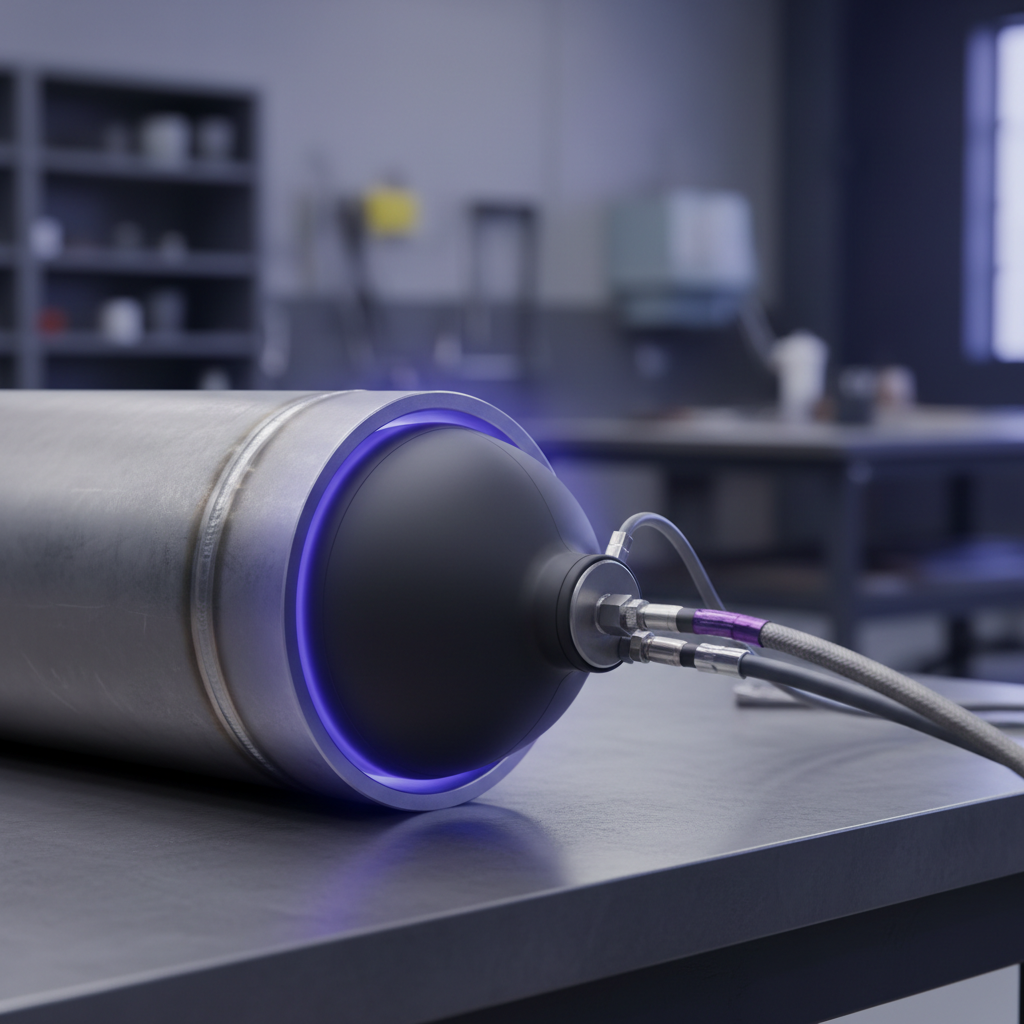
An elastomer bladder is positioned inside the pipe and inflated with air or water through a dedicated port until it seals against the ID, with a separate port carrying purge gas into the sealed chamber. Used single-ended against an open pipe end, or as a matched pair bracketing the joint on both sides for the smallest possible purge volume.
- Reusable across many joints if the bladder is inspected and undamaged.
- Fits a range of IDs from a single bladder size, within its rated range.
- The standard choice for double-dam setups on long, open-ended runs.
Foam / plug dams
A compressible foam disc or plug is pushed into position inside the ID and seals by compression fit. Simple to place on straight runs with reasonable access; construction and heat tolerance vary by product, so confirm the rating for your alloy and wall thickness.
Rigid / expandable mechanical dams
A solid or mechanically expanding disc, often metal or a heat-tolerant composite, seats against the ID and holds its seal without relying on an inflation medium. Generally reusable and well suited to repeat production runs on a consistent pipe size.
Self-adhesive pre-formed dams
A flexible pad with an adhesive edge is pressed directly against the pipe wall to form the seal, no inflation or mechanical expansion involved. Common on small-diameter tube and orbital welding setups where a bladder or mechanical dam would be awkward to place.
Applications
Where purge dams work
Any weld joint where the root side needs shielding from oxygen, and where purging the entire pipe or vessel would waste gas and time, is a candidate for a purge dam.

Sanitary / food & pharma tubing
Hygienic stainless tube welding to specifications such as AWS D18.1 calls for a bright, oxide-free root that will not harbor contamination. Purge dams keep the purge volume small enough to hit tight oxygen targets on a production schedule.
Semiconductor UHP gas lines
Ultra-high-purity gas delivery tube runs demand some of the tightest root-oxidation limits in industry. Small-diameter dams, often self-adhesive or bladder types sized for the tube OD, are standard on orbital welding heads for this work.
Power generation / nuclear piping
Boiler, steam, and other process piping in power plants frequently specifies stainless or alloy material with inert-gas backing required by code. Dams control purge volume on runs that can otherwise be very long between accessible ends.
Oil & gas pipeline fabrication
Duplex and corrosion-resistant alloy pipe used in upstream and midstream service needs a sound, unoxidized root to hold up in corrosive service. Field and spool-fabrication crews rely on dams to purge efficiently on large-diameter runs.
Orbital welding production
Automated orbital GTAW on tube and small pipe pairs a fixed weld head with a purge dam set bracketing the joint, so oxygen level, not clock time, gates when the head is allowed to start the weld program.
Shipbuilding & marine piping
Stainless and alloy piping systems aboard ship, potable water, process, and specialty systems among them, are welded in tight compartments where purging the full run is impractical. Dams bring the purge chamber down to a workable size.
Selection criteria
How to choose a purge dam
Get fit, venting, and removal right and the dam does its job invisibly. Get the ID or the vent path wrong and the shop either sees leak-back oxidation at the root or fights a bulging, displaced dam mid-weld.
| Item | What to check |
|---|---|
| Pipe / tube ID range | Every dam type has a rated ID range. Confirm actual fit against the pipe's inside diameter and wall schedule before the dam ships to the shop, an undersized dam will not seal the full circumference. |
| Purge volume reduction | How tightly the dam seals, and how close a pair of dams sits to the joint, sets the size of the chamber that has to be flushed. A tighter chamber reaches target oxygen faster on the same flow rate. |
| Temperature near the weld | Dams sitting close to the root see real heat from the pass. Confirm the material's temperature rating against how close it will be positioned and the process (GTAW root passes run hotter locally than a cosmetic cover pass). |
| Removability / flushing | Decide up front how the dam comes out: dissolved and flushed with water, deflated and withdrawn, or physically retrieved. A joint with no retrieval access all but requires a water-soluble or otherwise self-clearing dam. |
| Reusability | Bladder and rigid mechanical dams are typically reusable across many joints if inspected between uses; water-soluble and most adhesive dams are single-use. Reusable types cost more per unit but less per joint on repeat production. |
| Access | One-sided access (a dead-end nozzle or vessel) versus open access from both ends of the run changes which dam types and which single- vs. double-dam configuration are practical. |
| Vent / gas path | Confirm the setup has a controlled inlet and a controlled vent, not just a seal. A dam that seals perfectly but has nowhere for gas to exit will pressurize the chamber instead of purging it. |
A word on terminology
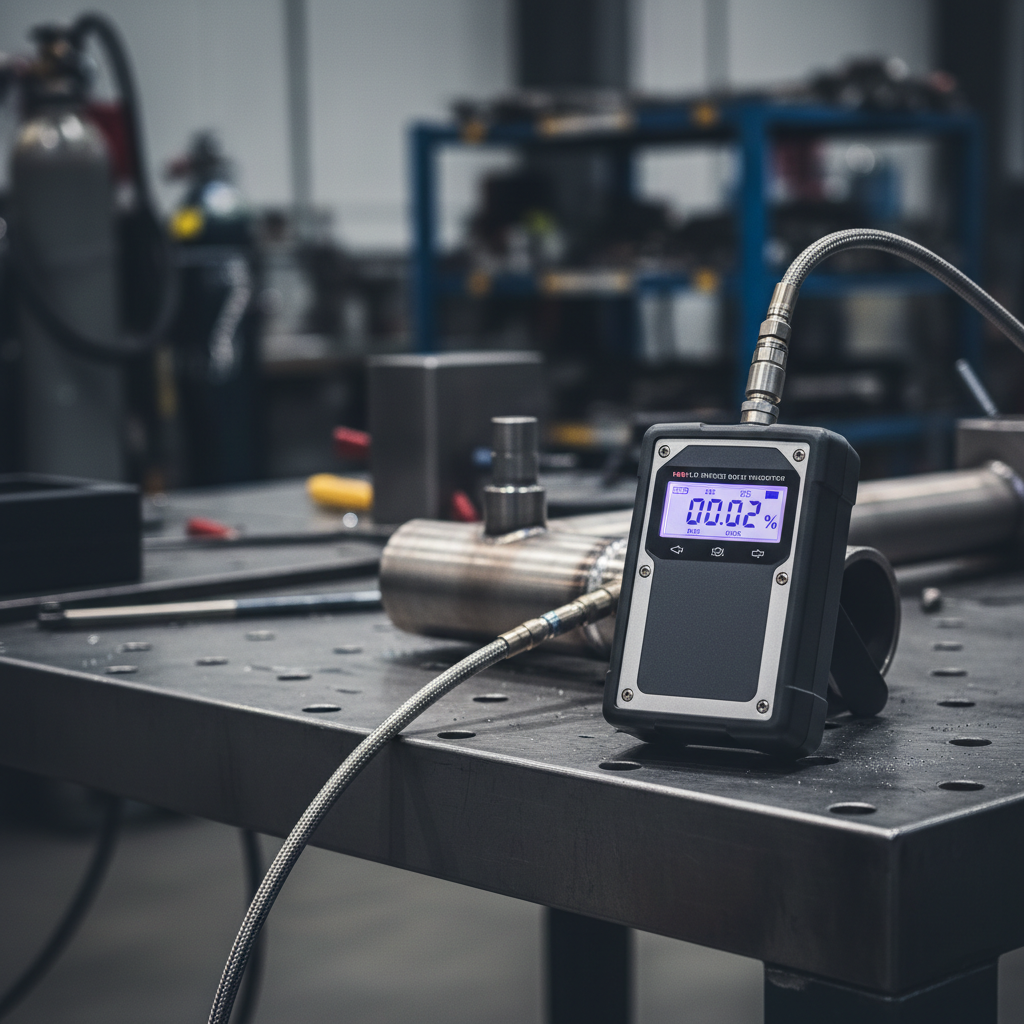
Purge dams vs. weld purge monitors
The dam controls the gas. It is a physical barrier that seals off a small chamber around the joint so that a controlled volume of inert gas can be flushed and held there, in place of purging the whole pipe or vessel.
The monitor reads the gas. A weld purge monitor draws a sample from inside that sealed chamber to an oxygen sensor and reports the actual oxygen level, the only reliable way to know the chamber has reached the target before the arc is struck.
Most root-critical welds use both. A dam without a monitor means purging on a time guess. A monitor without a dam has no small, sealed volume to read quickly. Together, they turn back-purging from a guess into a verified, repeatable step in the weld procedure.
Side by side
What each piece of equipment actually does
| Purge dam | Weld purge monitor | |
|---|---|---|
| Function | Seals off a small purge chamber around the joint. | Reads the oxygen level inside that chamber. |
| Where it sits | Inside the pipe or tube, on one or both sides of the joint. | Connected by a sample line to the sealed chamber, or inline in the vent path. |
| What it tells you | Nothing directly, it is a barrier, not an instrument. | The exact oxygen ppm at the moment you check it. |
| Reusability | Varies by type: some single-use, some reusable. | Reusable instrument, used across every joint on the job. |
Orbital welding: the dam's home turf
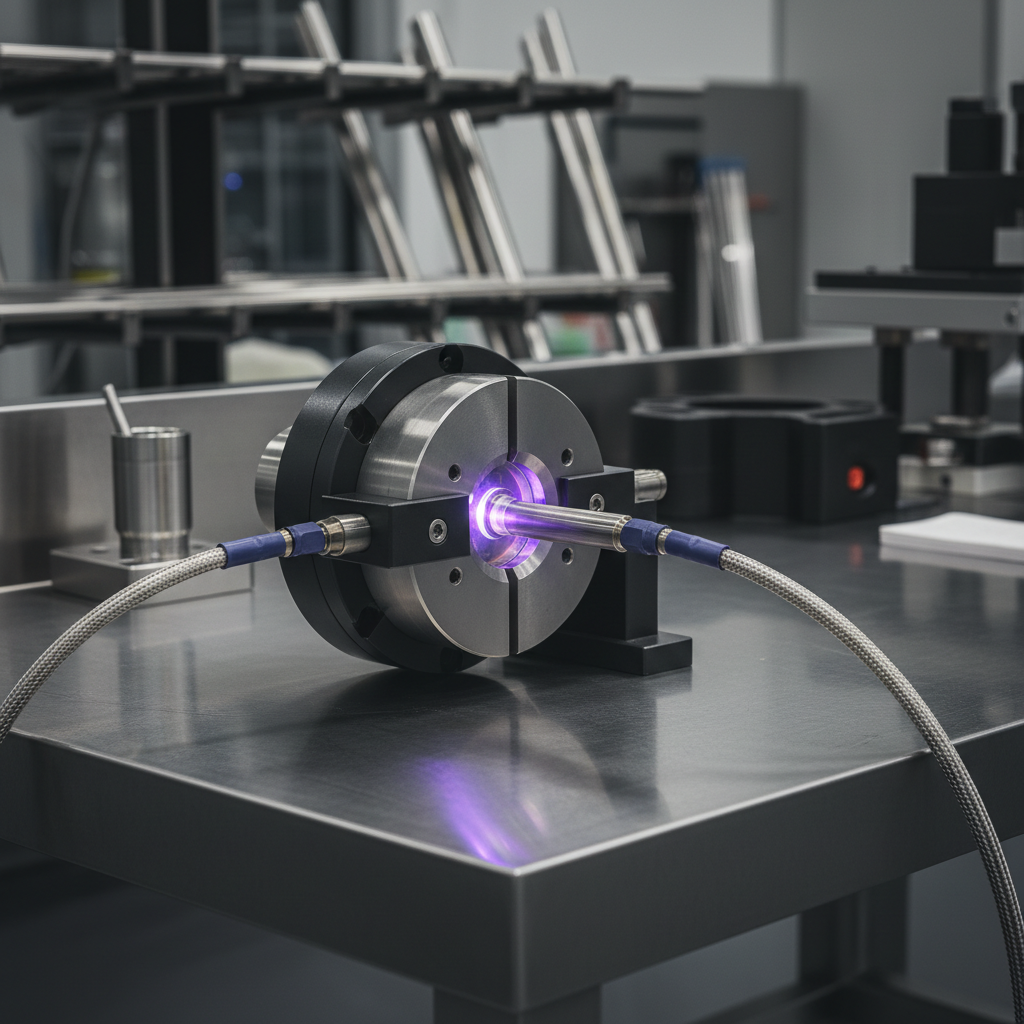
Automated orbital GTAW on small-diameter tube pairs a fixed weld head with a purge dam set (often a bladder pair or self-adhesive pads sized for the tube OD) bracketing the joint, and a purge monitor gating when the weld program is allowed to start. Production tube welding in semiconductor, pharmaceutical, and aerospace work depends on this combination to hit tight oxygen specs on a repeatable cycle.
Process
Run the purge right, every joint
A dam that fits and a monitor that reads are only half the job. Flow rate, dwell time, and a real vent path are what actually get the chamber to target oxygen without over-pressurizing the seal.
- Confirm the dam's rated ID range against the actual pipe or tube before it reaches the shop floor, not after it fails to seal.
- Always provide a controlled vent or outlet path for the purge chamber; sealing without venting risks a bulged or blown dam.
- Purge to a verified oxygen reading from a weld purge monitor, not to a fixed clock time, before striking an arc.
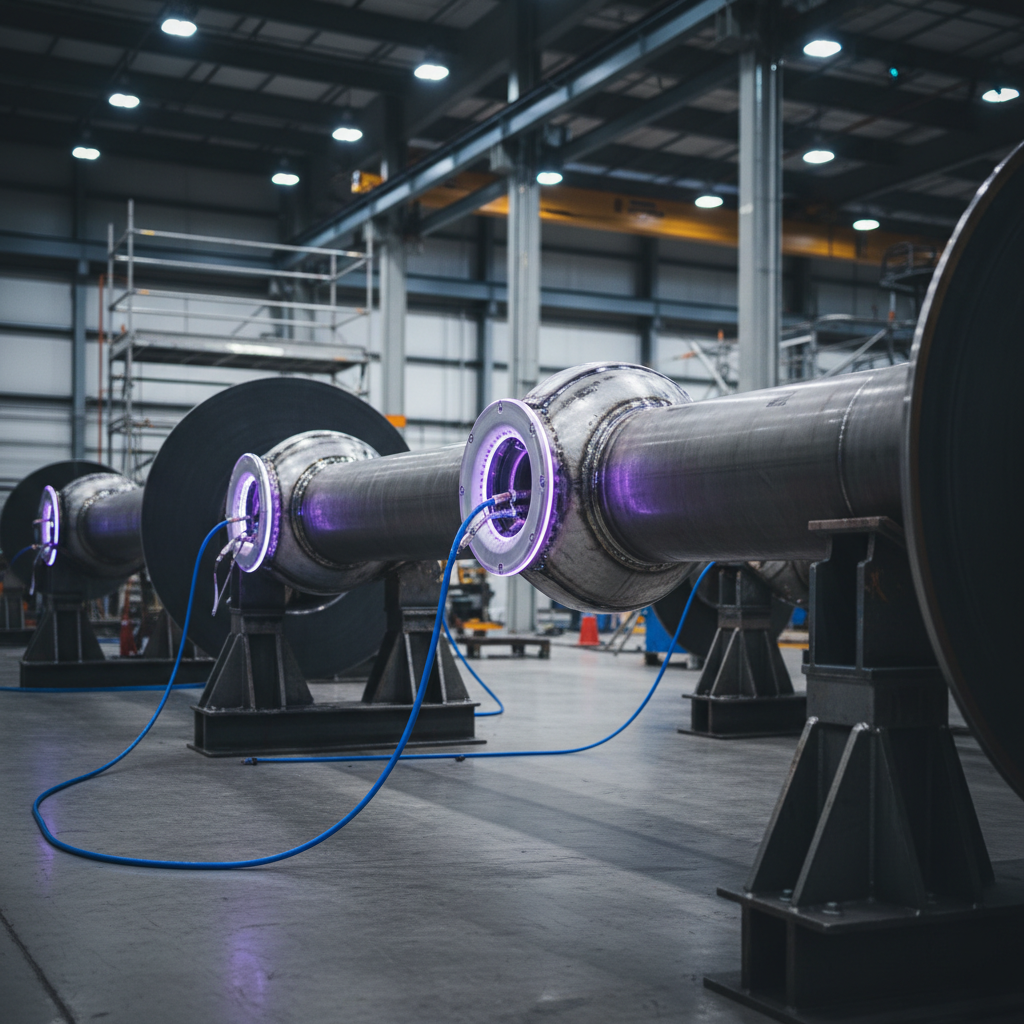
- On long runs, bracket the joint with a dam on each side (a double-dam setup) rather than purging the full pipe length from one open end.
- Match dam placement distance to the joint against the material's heat tolerance, closer placement purges a smaller volume but sees more heat.
- Flush water-soluble dams fully per the manufacturer's instructions; residue left in the line can affect downstream service.
- Inspect reusable bladder and mechanical dams between uses for nicks, wear, or seal degradation before trusting them on the next joint.
Purge quality reference
Oxygen monitoring
A weld purge monitor reads the oxygen level inside the sealed chamber directly, the only reliable way to confirm the purge target has actually been reached.
Vent path
A controlled outlet for displaced air and excess gas so the chamber flushes instead of pressurizing against the dam seal.
Purge / dwell time
The time held at flow before the arc is struck, and often a reduced flow maintained through the pass, set by chamber volume and flow rate, not a fixed rule of thumb.
Code or spec reference
The governing code, customer specification, or WPS states the required oxygen ceiling for the material and service, check it rather than assuming a default number applies.
Information only. The guidance on this page is general and educational. It is not engineering, welding or safety advice and does not replace your welding procedure specification, the manufacturer's instructions, applicable codes, or a qualified professional. Verify all information before relying on it. Read the full disclaimer.
FAQ
Purge dam questions
What is a purge dam?
A purge dam is a temporary barrier inserted inside a pipe, tube, or vessel on either side of a weld joint to seal off a small purge chamber around the root. Inert gas, almost always argon or nitrogen, is fed into that sealed section to displace the air, so the back (root) side of the weld is shielded from oxygen while the weld is made. Without a dam, the operator would have to purge the entire length of pipe, which wastes gas and takes far longer to reach a safe oxygen level.
Why does the root side of a weld need to be purged at all?
On stainless steel, duplex, titanium, and nickel alloys, the molten weld pool and the hot metal immediately around it will react with any oxygen present, on the top (face) side or the underside (root). The torch and shielding gas protect the face, but the root is enclosed inside the pipe and gets no shielding unless the atmosphere inside the pipe is purged. An unprotected root discolors and oxidizes, which is the visible sign of a much more important problem: the surface has lost the chromium oxide layer that gives the alloy its corrosion resistance.
What is weld "sugaring" and why does it matter?
Sugaring is the industry term for the granular, crystalline oxide scale that forms on an unpurged or under-purged stainless root pass; it gets its name because the texture resembles coarse sugar. It is a visible symptom of oxidation, not just a cosmetic issue: the scale itself and the depleted chromium layer underneath it are both less corrosion-resistant than the surrounding parent metal, which is exactly the property the alloy was specified for in the first place. In sanitary and high-purity service, sugared roots are also harder to clean and can harbor contamination.
What oxygen level should I purge to?
It depends on the alloy and the service. As a general rule of thumb widely used in the industry, oxygen below roughly 50 ppm produces a bright, straw-free root on standard austenitic stainless steel, while oxygen in the low hundreds of ppm starts to show light straw or gold discoloration, and levels in the thousands of ppm produce visible sugaring. More demanding materials and services, titanium, some nickel alloys, and high-purity semiconductor or pharma lines, commonly call for tighter targets, sometimes under 20-30 ppm or lower. Always confirm the actual number against your welding procedure specification (WPS), the governing code, or the customer spec rather than relying on a rule of thumb alone.
Do codes or specifications require back-purging?
Many do, for certain material classes and services. Process piping codes such as ASME B31.3 call for inert gas backing on root passes for materials susceptible to oxidation, and sanitary/hygienic tube welding standards such as AWS D18.1 set specific purge oxygen requirements for the finished weld. Nuclear, semiconductor, and aerospace specifications frequently add their own, tighter oxygen ceilings. Check the WPS and the governing code or customer specification for the job; requirements vary by material, wall thickness, and service.
What types of purge dams are available?
The main families are water-soluble paper or film dams (dissolve away after use, no retrieval needed), inflatable bladder dams (elastomer bladders inflated with air or water to seal the pipe ID, used single-ended or as a matched pair to bracket the joint), foam or plug dams (a compressible foam disc or plug pushed into position), rigid or expandable mechanical disc dams (a solid or expanding metal/composite disc that seats against the ID), and self-adhesive pre-formed dams (a flexible pad with an adhesive edge pressed against the pipe wall). Each trades off differently on removability, reusability, temperature tolerance, and how much access you need to install and retrieve it.
How do I choose the right purge dam for a job?
Start with the pipe or tube inside diameter, every dam type has a rated ID range, and confirm the dam actually fits before it ships to the shop. From there, weigh how much you need the chamber volume reduced (a tighter-sealing dam purges faster on a large-diameter run), how close the dam sits to the weld and what temperature it will see, how it needs to come out afterward (dissolve in water, deflate and pull, or physically retrieve), whether it is reusable across many joints or single-use, and whether you have access from one end of the pipe or both. A water line or double-ended pipe run needs a different answer than a single dead-end nozzle.
What is a double-dam or two-dam purge setup?
On a long pipe run, placing one dam on each side of the weld joint, rather than purging from one dam all the way to an open pipe end, brackets off a small, fixed-volume chamber right around the root. That small chamber purges to a safe oxygen level in a fraction of the time and gas volume a full-length purge would need, which is the main reason purge dams exist in the first place. Both dams need a way to vent displaced air out as the inert gas comes in, otherwise the sealed chamber pressurizes instead of purging.
How long does it take to purge to a safe oxygen level, and what flow rate should I use?
There is no single number; it depends on the purge chamber volume (which is why dams matter), the gas flow rate, the inlet and vent arrangement, and the target oxygen level. In practice, the operator sets a flow rate suited to the chamber size and dam vent capacity, watches an oxygen analyzer (a weld purge monitor) reading gas drawn from inside the chamber, and holds the purge until the reading is at or below the target before striking an arc, then keeps purging at a reduced flow through the pass. Judging purge time by the clock alone, without a monitor reading, is a common and risky shortcut.
How do I avoid over-pressurizing the pipe during a purge?
Every dam setup needs a controlled vent or outlet path for the gas and displaced air to leave the sealed chamber; purging into a fully sealed section with no vent will bulge or blow a dam, and on a thin-wall tube it can distort or even bulge the root pass itself. Inflatable bladder dams usually have a separate purge-gas port distinct from the inflation port precisely so the chamber has a vent path; foam, mechanical, and adhesive dams need a deliberate small gap, vent tube, or bleed hole built into the setup. Confirm the vent path before starting the purge, not after noticing a pressure problem.
How is a water-soluble dam removed after welding?
It is designed to be left in place rather than retrieved: after the weld is complete, water (or in some cases a solvent, per the manufacturer's instructions) is flushed through the line and the paper or film dissolves and washes out. This makes water-soluble dams well suited to piping that will be flushed or hydrotested anyway, and to configurations where a mechanical dam could not physically be pulled back out, such as a joint deep inside a long, small-ID run.
Are purge dams reusable?
It depends on the type. Inflatable bladder dams and rigid or expandable mechanical dams are generally reusable across many joints, provided the elastomer or seal surface is inspected and not damaged by heat or handling. Water-soluble dams and most self-adhesive pre-formed dams are single-use by design, they either dissolve away or lose their seal once removed. Foam/plug dams vary by construction; check the specific product's rating before planning to reuse one.
Are purge dams used in orbital welding?
Yes. Orbital GTAW on small-diameter tube, common in semiconductor ultra-high-purity gas lines, pharmaceutical and sanitary process tubing, and aerospace tube runs, depends on a tightly controlled root-side atmosphere to meet demanding oxygen and surface-finish specifications, and dams are the standard way to keep the purged volume small enough to reach that target quickly on a production line. Pre-formed and inflatable dams sized for small tube ODs are common in this setting, often used in pairs to bracket a single fixed joint on an orbital head.
What is the difference between a purge dam and a weld purge monitor?
They do two different jobs and most root-critical welds use both. A purge dam is a physical barrier that seals off the chamber so a small purge volume can be flushed and held; it controls gas, not the reading of it. A weld purge monitor is an instrument, typically drawing a gas sample from the chamber to an oxygen sensor, that tells the welder the actual oxygen level inside the sealed volume so they know when it is safe to strike an arc and whether it stays in range during the pass. A dam without a monitor is a guess; a monitor without a dam has nothing small enough to measure quickly.
What is the most common mistake with purge dams?
Two mistakes come up most often: sizing the dam to the wrong pipe ID so it does not seal fully around the circumference, letting outside air leak back in during the weld, and starting to weld on a time estimate instead of an actual oxygen reading from a purge monitor. Both produce a root that looks acceptable on the outside but reads out of spec once the reading, or the surface, is checked. Confirming fit before the job and purging to a verified reading rather than a guess avoids the great majority of dam-related rework.
Request a quote
Get a purge dam quote
One joint or a full spool run, sanitary tube or large-diameter pipe. Tell us the material, the ID range, and how you need it removed, and get a quote back.
- Water-soluble, inflatable, foam, mechanical, and adhesive dams
- Single-ended and double-dam purge chamber setups
- Sanitary, semiconductor, power, oil & gas, and marine sizing